

Global Shield Institute
Understanding global catastrophic risk, and how to prepare for it
Global Shield Institute is a policy research and education organization working to reduce global catastrophic risk.
Global Shield Institute educates the public and policymakers worldwide about global catastrophic risk and the capabilities that help societies prepare.
About usGlobal catastrophic risk is the risk that a major threat, or several at once, harms human well-being on a global scale. How much harm it does depends on the threat and on how fragile the systems we all rely on are.
What is global catastrophic risk?
All-hazards
Catastrophes have many causes, but the solutions are shared
An all-hazards approach builds the capabilities that help societies cope with whatever goes wrong.
Our approachWhat we do
Global Shield Institute produces research and educational resources on global catastrophic risk. We help stakeholders understand the capabilities that can help society prepare for a disaster, no matter the cause.
Why it matters: the choices governments make before a crisis, on early warning, stockpiles, infrastructure and cooperation, decide how many people stay safe, fed and connected when one hits. Our research gives the people making those choices, and the communities who live with the consequences, clear evidence to work from. For example, our assessment of the state of Australia’s regulation of AI and the gaps that need to be filled was covered in the media and used to brief parliamentarians.
Research and analysis
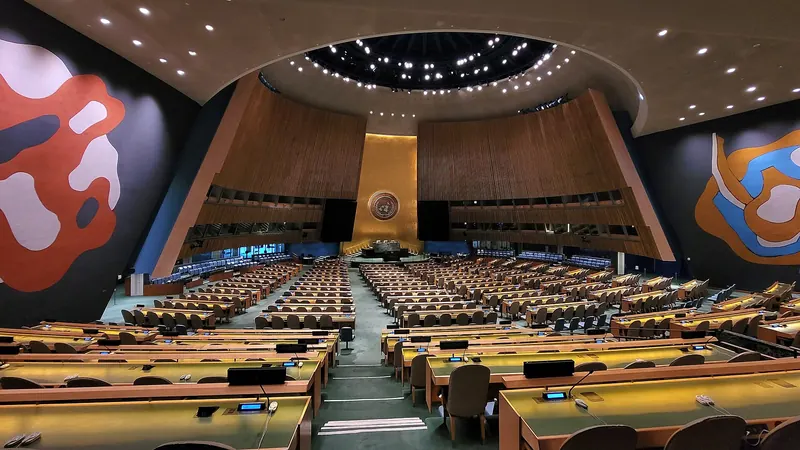
In-depth research on how governments and international institutions can understand, govern and reduce global catastrophic risk. Recent projects look at how the UN system can prepare for complex global shocks and how Australia is regulating AI. We also publish regular policy briefs and maintain a searchable research database.
Briefings and talks
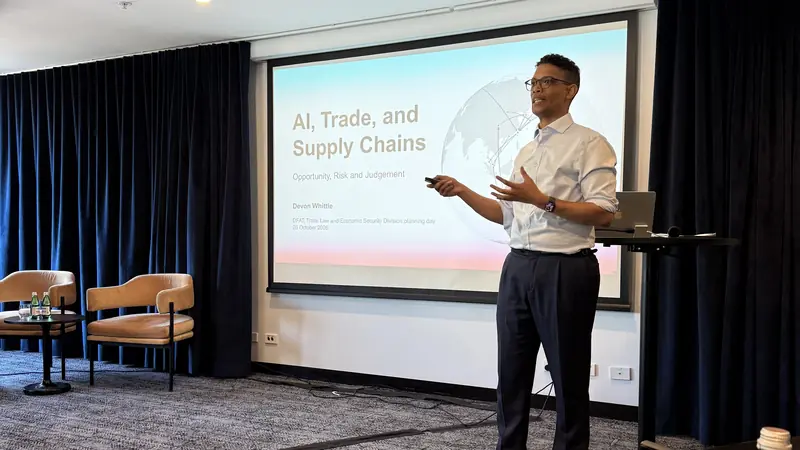
We explain catastrophic risk, and the policy options for managing it, to key stakeholders like parliamentarians, public servants, and industry leaders. We do so through briefings, conference panels, webinars and regular updates.
Tracking global risk
We track and analyze the world’s major risk assessments, from the UN Global Risk Report and the World Economic Forum’s Global Risks Report to national, regional and insurance industry studies, and explain what they agree on and what they miss.

Public understanding
We help wider audiences understand global catastrophic risk and why preparation matters through plain-language explainers, webinars and a free, searchable research database.
Examples of topics we research, each a capability that protects against many threats at once:
Food security in a crisis
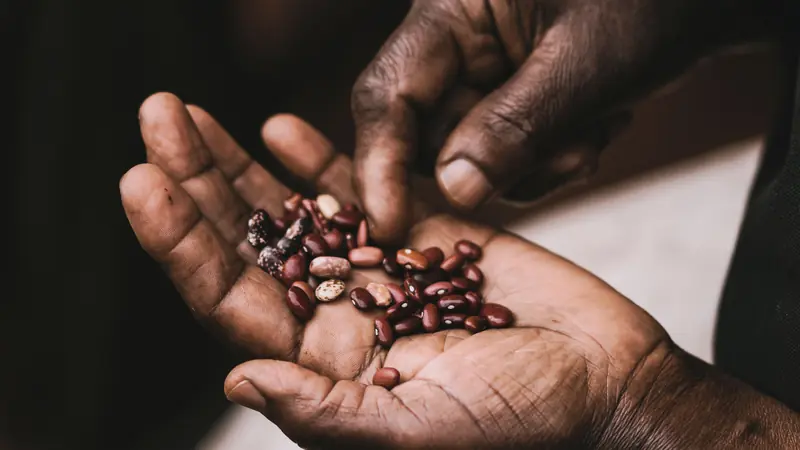
Whatever triggers a catastrophe, people still need to eat. Food security isn’t only about stockpiles. It depends on the whole food system, from seeds and soil to farms, processing, trade and markets. Pandemics, extreme weather, conflict, or trade disruption from cyberattacks can all disrupt how food is grown, moved and sold. We conduct research on high-impact policy options that secure the food system against all kinds of threats.
Critical infrastructure
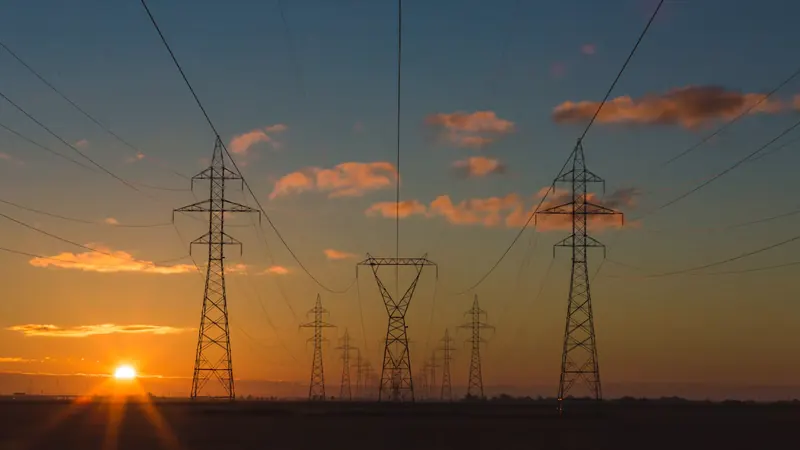
Power, water, communications, transport and finance depend on each other, so when one fails, others often follow. Very different threats, from cyberattacks to extreme heat to conflict, can set off the same chain of failures. Planning for disruption and recovering quickly keeps essential services running, whatever the cause.
Government and industry working together
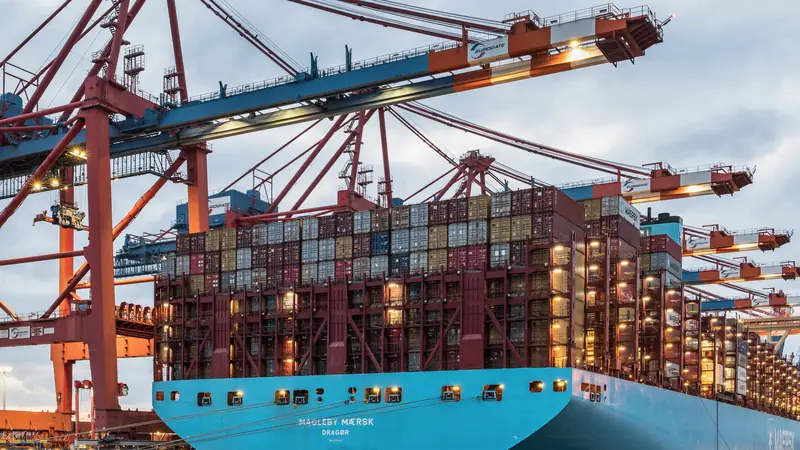
In a crisis, most of what people need comes from private companies, from medicines and fuel to the networks that carry information. Governments need ways to work with industry quickly, scaling up production and getting supplies to where they’re needed most. Arrangements set up before a crisis work for many kinds of emergencies, not just one.
Our research
Explore our research on global catastrophic risk, from short policy briefs to in-depth reports and a searchable research database.
Policy series
Short briefs on how governments can better understand and govern global catastrophic risk.
Read the policy seriesResearch reports
In-depth reports on specific areas of global catastrophic risk and the options for reducing it.
Read the reportsResearch database
A searchable library of academic articles and reports on global catastrophic risk.
Search the databaseFeatured



“Look again at that dot. That’s here. That’s home. That’s us…”